端午節(jié)用英語(yǔ)怎么說(shuō)?Happy Dragon Boat Festival!
端午節(jié)用英語(yǔ)介紹
端午節(jié)的英語(yǔ):the Dragon Boat Festival
端午節(jié)(Duanwu Festival/Tuen Ng Festival)是中國(guó)傳統(tǒng)節(jié)日(traditional holiday),也是法定節(jié)日(statutory holiday)。中國(guó)大陸在2008年將端午節(jié)列為法定節(jié)日。目前在大陸、香港、澳門與臺(tái)灣它都是公共假日(public holiday)。在英文中,它的常見名稱是龍舟節(jié)(Dragon Boat Festival),這是根據(jù)(after)節(jié)日的一項(xiàng)主要活動(dòng)來(lái)命名的。按照歷法精確譯法應(yīng)該是Solar Maximus Festival。指夏至(summer solstice)或北半球(northern hemisphere)一年中最長(zhǎng)的一天。
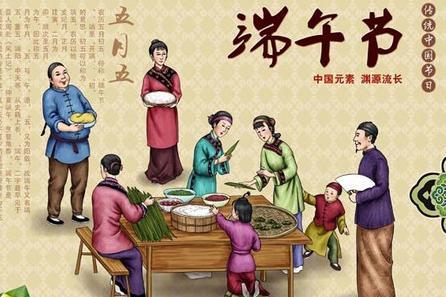
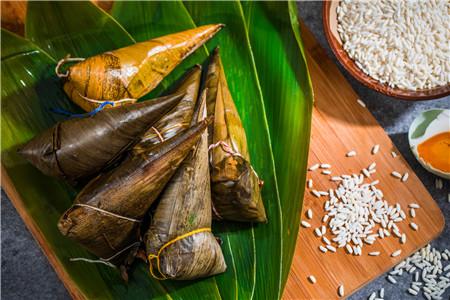
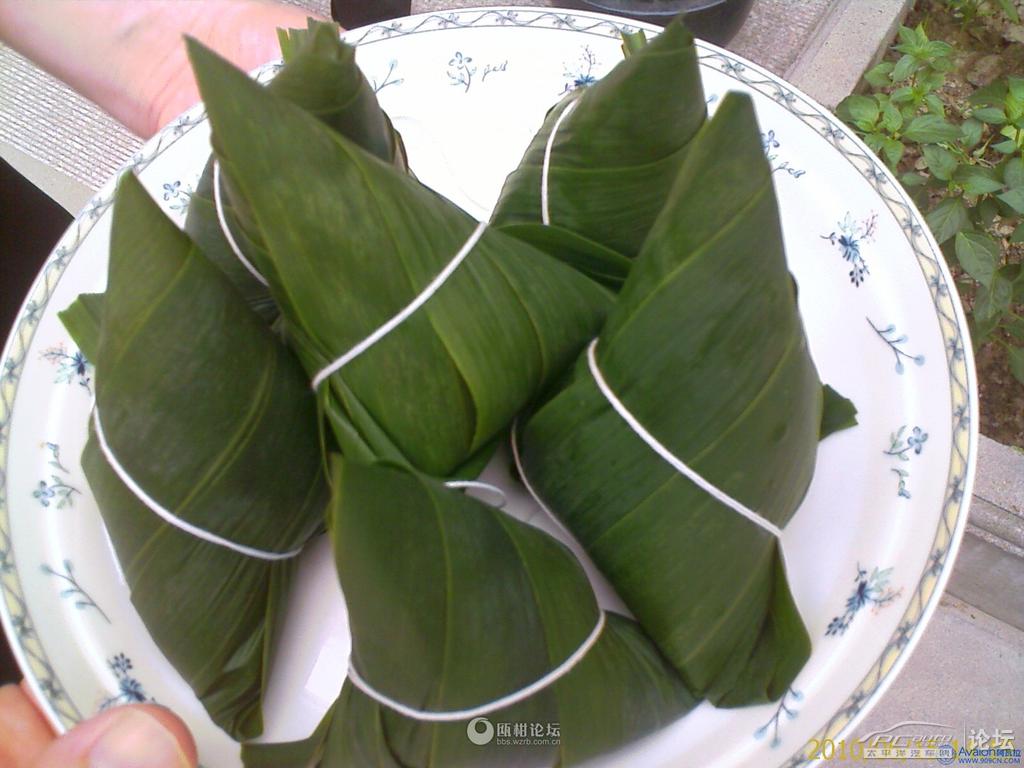
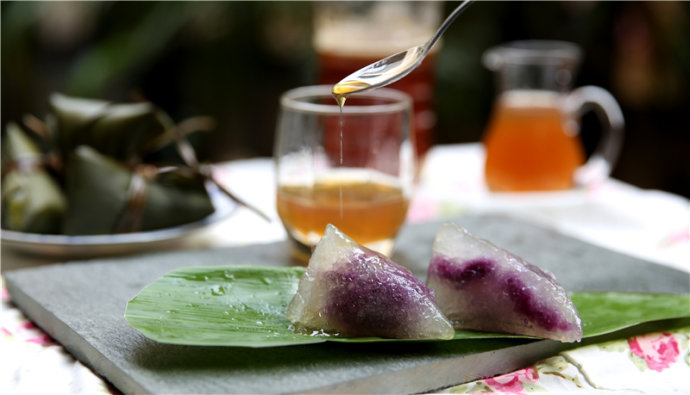
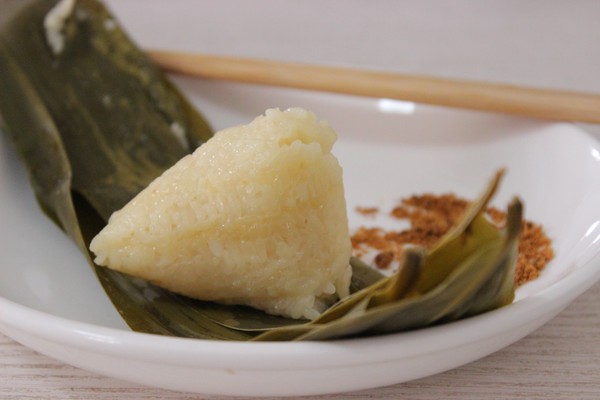
端午節(jié)在中國(guó)農(nóng)歷的五月初五(the fifth day of the fifth month of the Chinese calendar),所以也叫重五節(jié)(Double Fifth Festival)。主要慶祝活動(dòng)(celebration)包括吃粽子(zongzi/sticky rice wrap/sticky rice dumpling with red bean filling/sticky rice ball)、喝雄黃酒(realgar wine)與賽(racing)龍舟。粽子用葦葉(reed leaf)或竹葉(bamboo leaf)包裹糯米(sticky rice)制成帶棱角(angular)的形狀。其它活動(dòng)還有懸掛(hang)鐘馗像(icon of Zhong Kui)、神話中的保護(hù)神(mythical guardian figure)、佩戴(wear)香囊(perfumed medicine bag)、懸掛艾蒿(mugwort)與菖蒲(calamus)、畫符(writing spell)等。主要目的是驅(qū)邪(ward off evil)或祛病(ward off disease)。
世界上普遍認(rèn)為端午節(jié)起源于(originate)于古代中國(guó)。中國(guó)有很多民間傳統(tǒng)(folk tradition)、信仰(belief)或解釋說(shuō)法(explanatory myth)與慶祝這個(gè)節(jié)日(observance)有關(guān)。最常見的是把該節(jié)日與周朝(Zhou Dynasty)戰(zhàn)國(guó)時(shí)期(Warring States period)楚王(King of Chu)的學(xué)者(scholar)兼大臣(minister)——屈原(Qu Yuan)之死聯(lián)系在一起。他也是詩(shī)人(poet)與政治家(statesman)。因此在民國(guó)時(shí)期(Republic of China),它也叫詩(shī)人節(jié)(Poet's Day)。大陸目前叫他‘愛(ài)國(guó)詩(shī)人(patriotic poet)’。
端午節(jié)在日本叫Tango no Sekku (端午の節(jié)句)。在日本改用公歷(Georgoriian calendar)后日期改為五月五日(May 5)。日本也叫Kodomo no Hi,即兒童節(jié)(Children's Day)。歷史上也叫男孩節(jié)(Boy's Day)或旗節(jié)(Feast of Banners)。
在朝鮮端午節(jié)是法定節(jié)日。它也是韓國(guó)主要傳統(tǒng)節(jié)日之一,叫Dano/Surit-nal。
聯(lián)合國(guó)教科文組織(UNESCO)確定韓國(guó)端午節(jié)活動(dòng)之一的江陵端午祭(Gangneung Dano Festival )為人類口頭與非物質(zhì)文化遺產(chǎn)杰作(Masterpieces of the Oral and Intangible Heritage of Humanity)。
端午節(jié)在越南叫Tet Doan Ngo。

端午節(jié)快樂(lè)的英語(yǔ)祝福語(yǔ)
端午節(jié)快樂(lè):Happy Dragon Boat Festival!
1.我說(shuō):要看短信的人端午節(jié)快樂(lè)!
I say: to see the person of message Dragon Boat Festival is happy!
2.愿我能把世上最好的祝福帶給你,祝端午節(jié)快樂(lè)!
May I can put the best blessing to you, and wish Dragon Boat Festival is happy!
3.記住:你微笑時(shí)我的世界也微笑,祝端午節(jié)快樂(lè)!
Remember: you smile smile of my world, wish Dragon Boat Festival is happy!
4.讓這件外套緊緊伴著你度過(guò)每分每秒,祝端午節(jié)快樂(lè)!
Let this coat tightly with pass every minute near you, wish Dragon Boat Festival is happy!
5.身為朋友的我,祝你端午節(jié)快樂(lè)。
As friends, I wish you happy Dragon Boat Festival.
6.不一定常常聯(lián)絡(luò),但一定放在心上;身為朋友的我,祝你端午節(jié)快樂(lè)。
Not often contact, but must heart, As friends, I wish you happy Dragon Boat Festival.
7.祝端午節(jié)快樂(lè)幸福。
Wish Dragon Boat Festival is happy.
8.祝愿你一切都如意,端午節(jié)快樂(lè)。
Wish you all the luck, the Dragon Boat Festival is happy.
9.預(yù)祝您和您的家人端午節(jié)快樂(lè)!
Wish you and your families have a nice holiday!
10.有種友誼,無(wú)須掛齒,卻心領(lǐng)神會(huì),祝端午節(jié)快樂(lè)!
Without it, the gutty friendship, but got the message, wish Dragon Boat Festival is happy!
11.緣分,讓我遇見你;開心,讓我認(rèn)識(shí)你;牽掛,讓我想起你;友誼,讓我們?cè)谝黄穑恍畔ⅲ屛也坏貌话l(fā)給你;祝愿你一切都如意,端午節(jié)快樂(lè)。
Fate, let me meet you; Happy, let me know you; Passions, reminds me of you; Friendship, let us together; Information, let me have to send you; Wish you all the luck, the Dragon Boat Festival is happy.
12.夏日的到來(lái),愿你心情舒暢,曾落下的問(wèn)候,這一刻一起補(bǔ)償,所有的關(guān)心,凝聚這條短信,祝端午節(jié)快樂(lè)。
The arrival of summer, wish you good mood, had dropped greetings, in this moment, all the concern with compensation, condensing this message, wish Dragon Boat Festival is happy.
13.永遠(yuǎn)開開心心快快樂(lè)樂(lè),祝端午節(jié)快樂(lè)!
Always happy, happy heart, wish Dragon Boat Festival is happy!
14.絲絲柔柔的微風(fēng),傳去了節(jié)日的祝辭,飄向遠(yuǎn)方的你,愿你度過(guò)這美好的一切,端午節(jié)快樂(lè)。
Filar silk gentle breeze, preach to the festival, piaoxiang distant remarks of you, may you have this wonderful everything, Dragon Boat Festival is happy.
15.不用語(yǔ)言來(lái)表達(dá)、只用實(shí)際來(lái)?yè)碛小⒆D愣宋绻?jié)快樂(lè)。
I do not have words to express, only to have reality, I wish you a happy Dragon Boat Festival.
16.桃兒紅,杏兒黃,五月初五是端陽(yáng),粽子香,包五糧,剝個(gè)粽子裹上糖,幸福生活萬(wàn)年長(zhǎng),祝您端午節(jié)快樂(lè)!
Peach son red, apricot yellow, fifth is the son of DuanYang, zongzi incense, packet five grain, wrapped candy strip a zongzi, a happy life million older, wish you happy Dragon Boat Festival!
17.祝福我的朋友,端午節(jié)開心快樂(lè)!
Best wishes to my friends, the Dragon Boat Festival happy to be joyful!
18.聞著粽子香,思念漂過(guò)江,你我相隔幾百里,在端午節(jié)的時(shí)候強(qiáng)烈,我想和你一起分享端午節(jié)的快樂(lè)。
While dumplings smell of incense, missing float the river, you and I separated a few hundred, in the Dragon Boat Festival is more strongly because I want to share with you a happy Dragon Boat Festival.
19.今天是中國(guó)的端午節(jié),祝你節(jié)日快樂(lè)。
Today is the Chinese dragon boat festival, I wish you a happy festival.
20.神看見你寂寞,所以他創(chuàng)造了你的朋友我,端午節(jié)到了,我祝愿你節(jié)日快樂(lè),多吃粽子!
God see you lonely, so he created you friend I, the Dragon Boat Festival arrived, I wish you a happy holiday, eat more rice dumplings!
21.后天就是端午節(jié)了,祝福所有的朋友節(jié)日快樂(lè)。
The day after tomorrow is the Dragon Boat Festival, giving my best regards to all people.

端午節(jié)的習(xí)俗英語(yǔ)
農(nóng)歷五月初五為端午節(jié),端午節(jié)的第一個(gè)意義就是紀(jì)念歷史上偉大的民族詩(shī)人屈原。端午節(jié)是我國(guó)二千多年的舊習(xí)俗,每到這一天,家家戶戶都懸鐘馗像,掛艾葉菖蒲,賽龍舟,吃粽子,飲雄黃酒,游百病,佩香囊,備牲醴。
The customs vary a lot in different areas of the country, but most of the families would hang the picture of Zhong Kui (a ghost that can exorcise), calamus and moxa in their houses. People have Dragon Boat Races, eat Zong Zi (dumpling made of glutinous rice wrapped in bamboo or reed leaves) and carry a spice bag around with them.
端午節(jié) the Dragon Boat Festival
粽子 zongzi/tsung-tse/rice dumpling
糯米 glutinous rice
賽龍舟 Dragon boat racing
雄黃酒 realgar wine
香包 perfumed medicine bag/sachet
驅(qū)邪 ward off evil
祛病 ward off disease
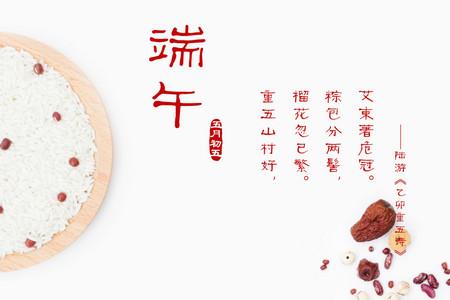
“粽包分兩髻,艾束著危冠。舊俗方儲(chǔ)藥,羸軀亦點(diǎn)丹。”端午節(jié)不可不吃的美味食物就是tsung-tse(粽子),這種傳統(tǒng)源于汨羅江邊的漁夫,將米丟入江中平息江中的蛟龍,希望它們不要傷害屈原。
粽子tsung- tse:Glutinous rice(糯米) filled with meat, nuts or bean paste(豆醬) and wrapped in bamboo leaves. It is associated with Dragon Boat Festival with historical meaning.The custom of eating tsung-tse is also popular in North and South Korea, Japan and Southeast Asian nations.
“櫻桃桑椹與菖蒲,更買雄黃酒一壺。”端午節(jié)嘗試一下雄黃酒吧。端午節(jié)這天,人們把雄黃倒入酒中飲用,并把雄黃酒涂在小孩兒的耳、鼻、額頭、手、足等處,希望這樣可以使孩子們不受蛇蟲的傷害。
It is a very popular practice to drink this kind of Chinese liquor seasoned with realgar at the Dragon Boat Festival. This is for protection from evil and disease for the rest of the year.
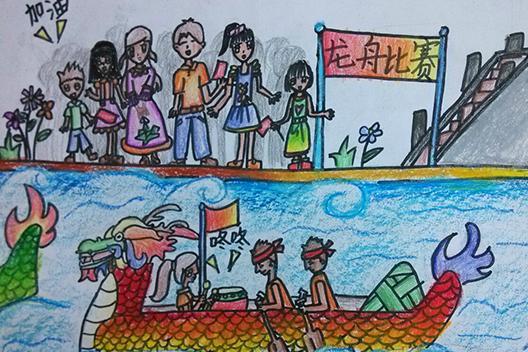
“鼓聲三下紅旗開,兩龍躍出浮水來(lái)。棹影斡波飛萬(wàn)劍,鼓聲劈浪鳴千雷。”端午節(jié)最應(yīng)景的節(jié)目就是賽龍舟。
Dragon boat racing is an indispensable part of the festival, held all over the country. As the gun is fired, people will see racers in dragon-shaped canoes pulling the oars harmoniously and hurriedly, accompanied by rapid drums, speeding toward their destination.
端午節(jié)最有特色的飾物就是香包 (sachet)。小孩佩戴香包,傳說(shuō)有避邪驅(qū)瘟之意。用含有多種香味的藥用植物做成的香包也可以預(yù)防疾病。
On Dragon Boat Festival, parents also need to dress their children up with a sachet. They first sew little bags with colorful silk cloth, then fill the bags with perfumes or herbal medicines(草藥), and finally string them with silk threads. The sachet will be hung around the neck or tied to the front of a garment as an ornament. They are said to be able to ward off evil.

端午節(jié)的由來(lái)英語(yǔ)
端午節(jié)的由來(lái)是中國(guó)古代一位滿腹才華的詩(shī)人屈原。
The origin of this summer festival centers around a scholarly government official named Qu Yuan.
他愛(ài)國(guó)愛(ài)民受人尊敬,卻由于被嫉妒而受到陷害,逐漸被皇帝冷落。
He was a good and respected man, but because of the misdeeds of jealous rivals he eventually fell into disfavor in the emperor's court.
屈原由于無(wú)法得到重用,眼看著自己的國(guó)家淪陷,于是投江自盡。
Unable to regain the respect of the emperor, in his sorrow Qu Yuan threw himself into the Mi Low river.
汨羅江畔的百姓劃船在江中尋找他們尊敬愛(ài)戴的屈原,并且將米丟入汨羅江中,使屈原避免蛟龍的傷害。
The local people living adjacent to the Mi Lo River rushed into their boats to search for him while throwing rice into the waters to appease the river dragons.
盡管他們當(dāng)時(shí)并沒(méi)有找到屈原,但是他們的行為直到今天仍然被人們傳頌著。
Although they were unable to find Qu Yuan, their efforts are still commemorated today.

- 端午節(jié)
相關(guān)文章
更多>


網(wǎng)友評(píng)論
熱門關(guān)注
更多>- 懷孕 保養(yǎng)子宮健康,聰明女人都這么做|孕期睡眠|上環(huán)|產(chǎn)褥感染|刮宮|習(xí)慣性流產(chǎn)|習(xí)慣性流產(chǎn)|保胎
- 育兒 囟門|螨蟲|一歲寶寶身高體重表|寶寶受涼|完達(dá)山奶粉|寶寶肛門周圍紅|換牙時(shí)間表|兒童生長(zhǎng)發(fā)育
- 早教 孩子叛逆期|爛布片|沒(méi)有畫的畫冊(cè)|薊的遭遇|民歌的鳥兒|區(qū)別|各得其所|風(fēng)車
- 營(yíng)養(yǎng)美食 大蒜|杏仁|紅棗|檳榔|百合|山楂|洋蔥|花生
- 保健養(yǎng)生 乳房按摩有用嗎|婦科檢查包括哪些項(xiàng)目|爬山減肥|手腳冰涼|白醋泡腳的好處|手上長(zhǎng)小水泡|私處洗液|手掌脫皮
- 生活用品 嬰兒車品牌|兒童積木|驅(qū)蚊手環(huán)|電子驅(qū)蚊器|兒童防曬霜|牙膠|嬰兒指甲鉗|孕婦吃魚肝油對(duì)寶寶好好嗎
 12:06
12:06
 18:10
18:10
 15:15
15:15
 15:17
15:17
 15:17
15:17
 15:19
15:19



還沒(méi)有人評(píng)論哦,趕緊搶一個(gè)沙發(fā)吧!